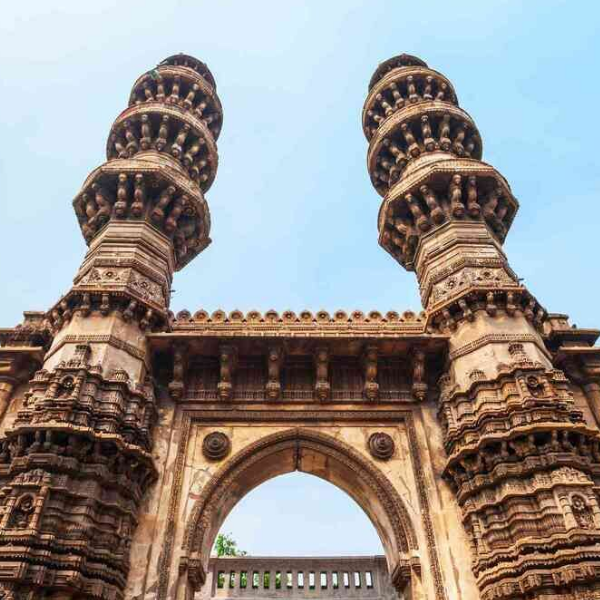
Ahmedabad, in western India, is the largest city in the state of Gujarat. The Sabarmati River runs through its center. On the western bank is the Gandhi Ashram at Sabarmati, which displays the spiritual leader’s living quarters and artifacts.
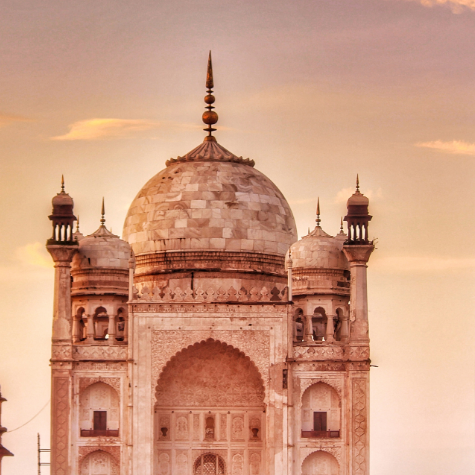
Aurangabad is a city in Maharashtra state, in India. It’s known for the 17th-century marble Bibi ka Maqbara shrine, styled on the Taj Mahal. The nearby Shivaji Maharaj Museum, dedicated to the Maratha king Shivaji, displays war weapons and a coin collection.
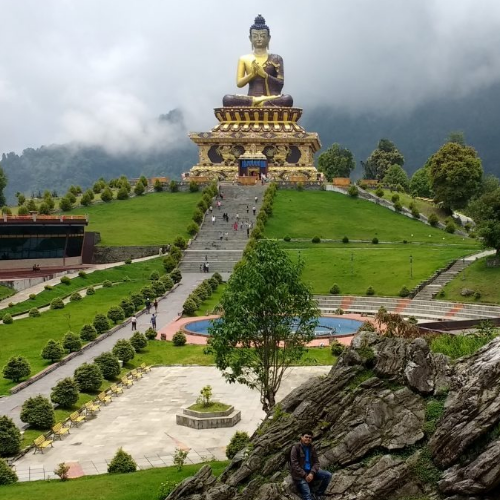
Bagdogra is a settlement in the Naxalbari CD block in the Siliguri subdivision of the Darjeeling district, in the Indian state of West Bengal. It is a part of the Greater Siliguri Metropolitan Area.
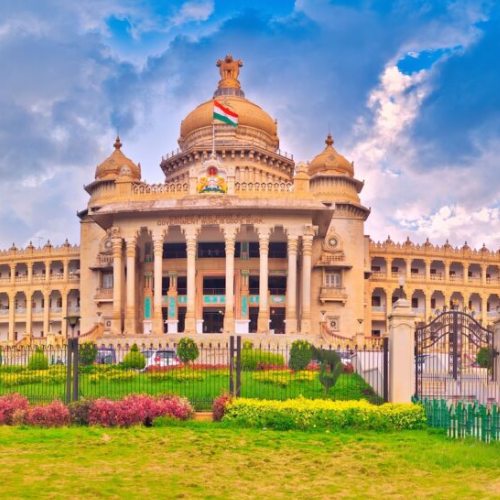
Bengaluru (also called Bangalore) is the capital of India's southern Karnataka state. The center of India's high-tech industry, the city is also known for its parks and nightlife. By Cubbon Park, Vidhana Soudha is a Neo-Dravidian legislative building.
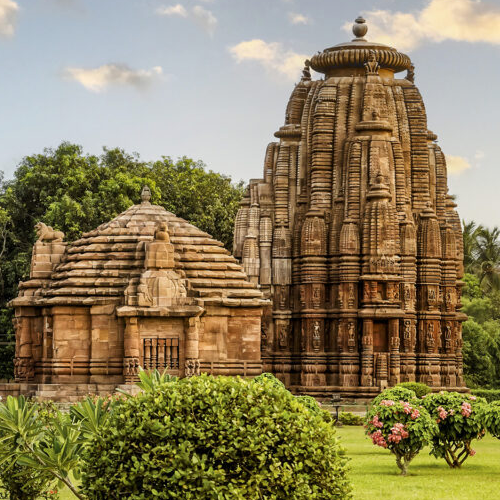
Bhubaneswar is an ancient city in India’s eastern state of Odisha, formerly Orissa. Many temples built from sandstone are dotted around Bindu Sagar Lake in the old city, including the 11th-century Hindu Lingaraja Temple.
Chandigarh, the capital of the northern Indian states of Punjab and Haryana, was designed by the Swiss-French modernist architect, Le Corbusier. His buildings include the Capitol Complex with its High Court, Secretariat and Legislative Assembly, as well as the giant Open Hand Monument.
Coimbatore is a city in the south Indian state of Tamil Nadu. To the northwest is the centuries-old, Dravidian-style Arulmigu Subramaniyaswami Temple, Marudamalai. The colorful and intricately carved Arulmigu Patteeswarar Swamy Temple lies southeast of here.
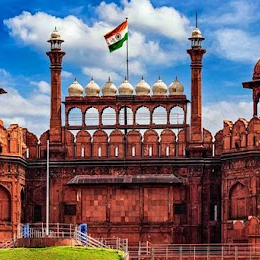
Delhi, India’s capital territory, is a massive metropolitan area in the country’s north. In Old Delhi, a neighborhood dating to the 1600s, stands the imposing Mughal-era Red Fort, a symbol of India, and the sprawling Jama Masjid mosque, whose courtyard accommodates 25,000 people. Nearby is Chandni Chowk, a vibrant bazaar filled with food carts, sweets shops and spice stalls.
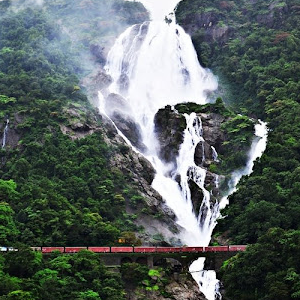
Goa is a state in western India with coastlines stretching along the Arabian Sea. Its long history as a Portuguese colony prior to 1961 is evident in its preserved 17th-century churches and the area’s tropical spice plantations. Goa is also known for its beaches, ranging from popular stretches at Baga and Palolem to those in laid-back fishing villages such as Agonda.
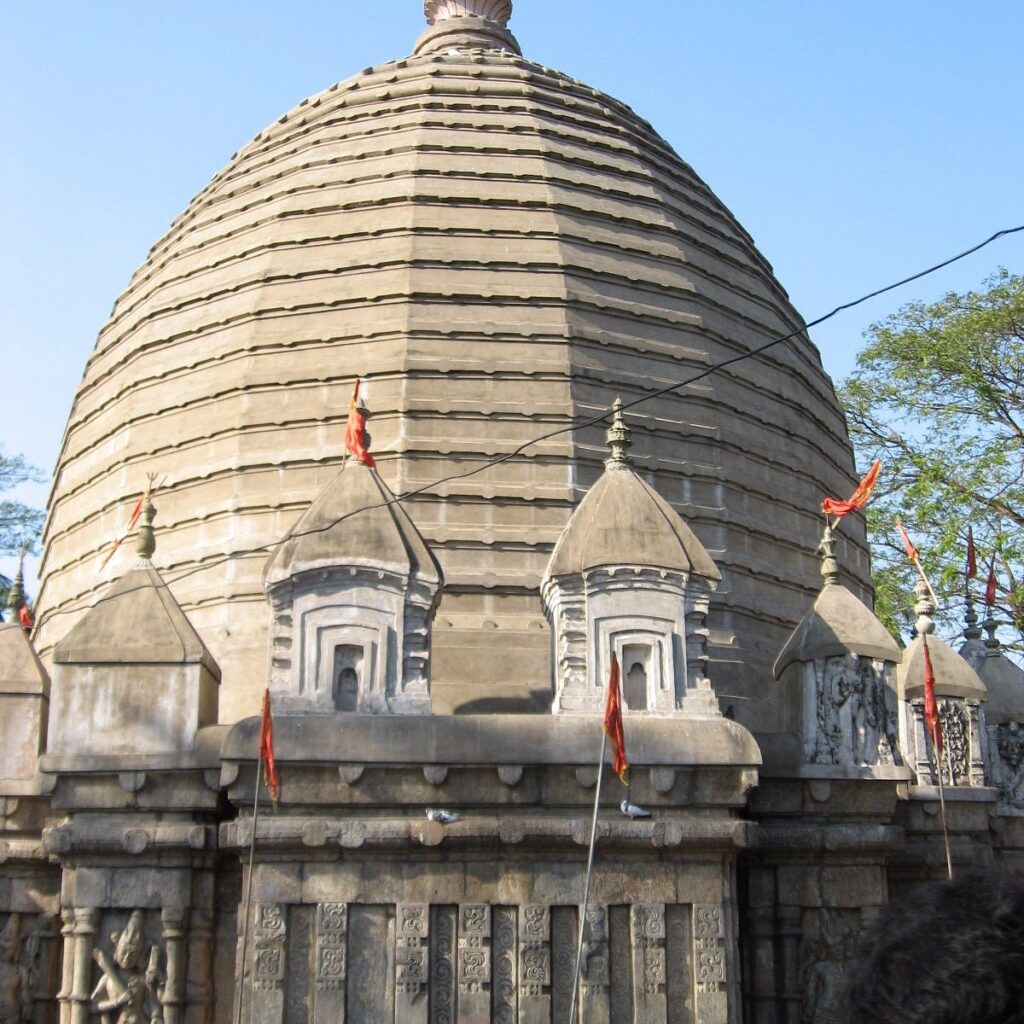
Guwahati is a sprawling city beside the Brahmaputra River in the northeast Indian state of Assam. It’s known for holy sites like the hilltop Kamakhya Temple, featuring shrines to the Hindu deities Shiva and Vishnu. To the east, 18th-century Navagraha Temple is an astronomical center with planetary shrines.
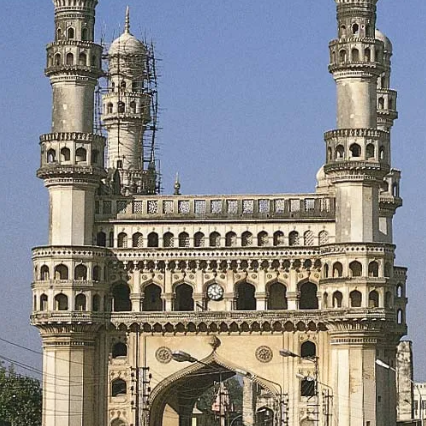
Hyderabad is the capital of southern India's Telangana state. A major center for the technology industry, it's home to many upscale restaurants and shops. Its historic sites include Golconda Fort, a former diamond-trading center that was once the Qutb Shahi dynastic capital.
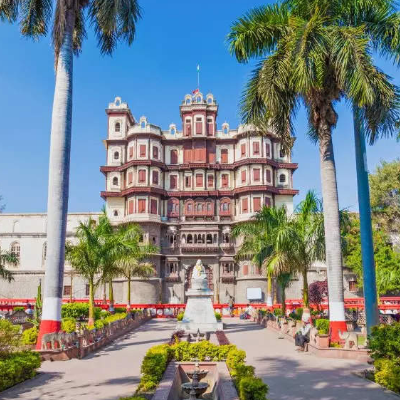
Indore is a city in west-central India. It’s known for the 7-story Rajwada Palace and the Lal Baag Palace, which date back to Indore’s 19th-century Holkar dynasty. The Holkar rulers are honored by a cluster of tombs and cenotaphs at Chhatri Baag.
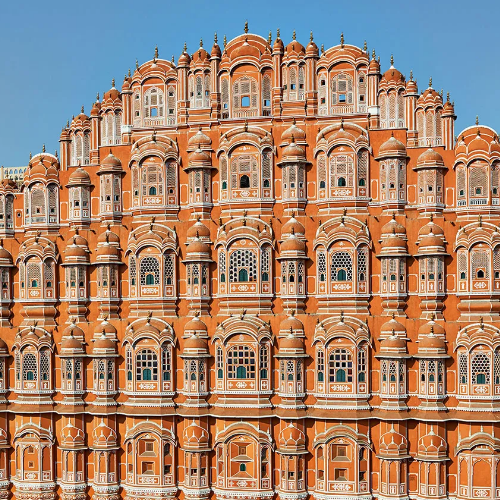
Jaipur is the capital of India’s Rajasthan state. It evokes the royal family that once ruled the region and that, in 1727, founded what is now called the Old City, or “Pink City” for its trademark building color. At the center of its stately street grid (notable in India) stands the opulent, colonnaded City Palace complex.
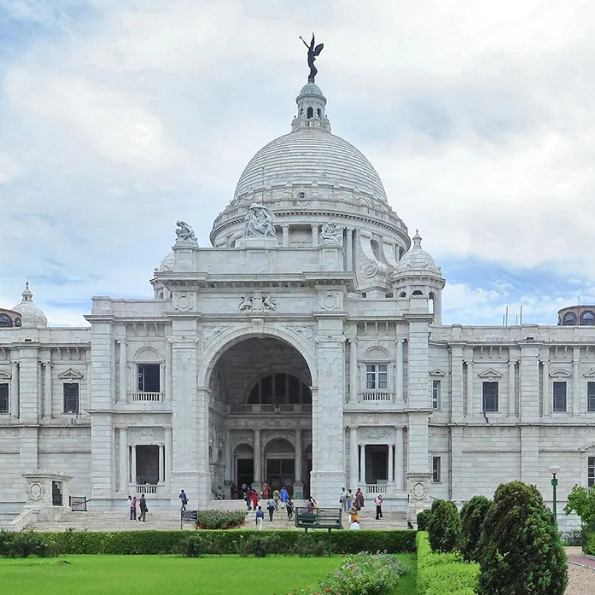
Kolkata (formerly Calcutta) is the capital of India's West Bengal state. Founded as an East India Company trading post, it was India's capital under the British Raj from 1773–1911. Today it’s known for its grand colonial architecture, art galleries and cultural festivals.
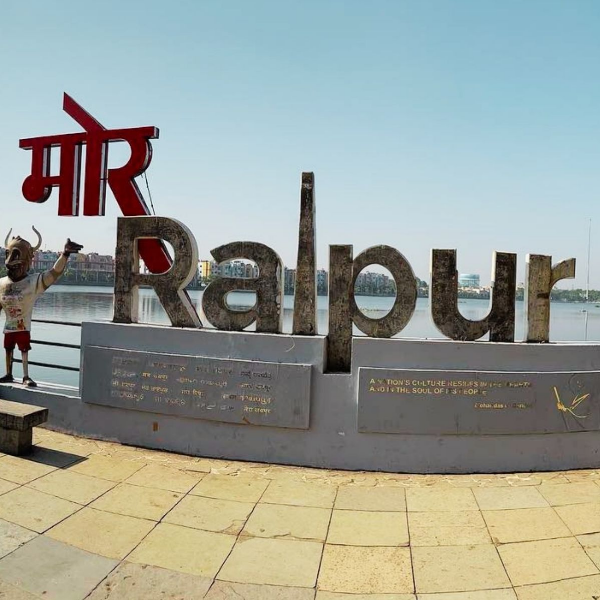
Raipur is the capital city of Chhattisgarh state in central India. In the center, the ancient Dudhadhari Math temple is a sacred monument dedicated to Lord Rama, decorated with scenes from the epic poem “Ramayana.” Nearby, a statue of the Hindu monk Swami Vivekananda towers over Vivekananda Sarovar lake. Southeast,
Rajkot is a city in the western Indian state of Gujarat. In central Jubilee Garden are the Lang Library, with Gujarati literature, and the Watson Museum, with paintings and artifacts documenting British colonial rule. Kaba Gandhi No Delo, the house where Mahatma Gandhi spent part of his childhood, displays photos of the Indian leader and his belongings.
Ranchi is the capital of the Indian state of Jharkhand. Ranchi was the centre of the Jharkhand movement, which called for a separate state for the tribal regions of South Bihar, northern Odisha, western West Bengal and the eastern area of what is present-day Chhattisgarh.
Surat is a large city beside the Tapi River in the west Indian state of Gujarat. Once known for silk weaving, Surat remains a commercial center for textiles, and the New Textile Market area is lined with fabric shops. Overlooking the river, Surat Castle was built in the 1500s to defend the city against Portuguese colonists.
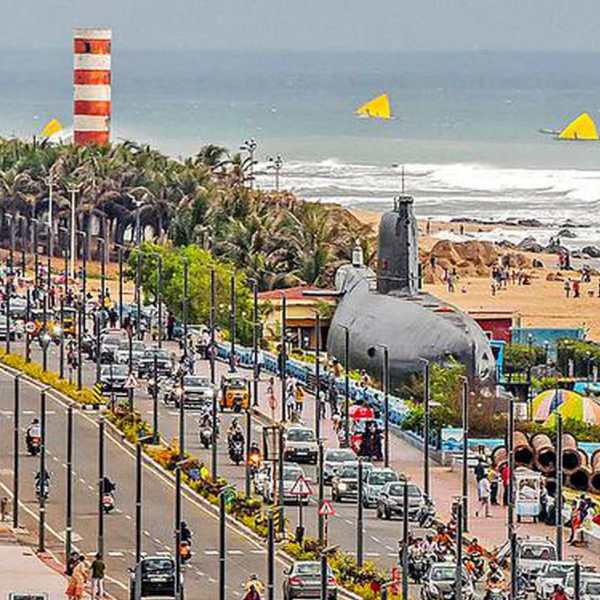
Visakhapatnam is a port city and industrial center in the Indian state of Andhra Pradesh, on the Bay of Bengal. It's known for its many beaches, including Ramakrishna Beach, home to a preserved submarine at the Kursura Submarine Museum.
Vadodara, also known as Baroda, is a major city in the Indian state of Gujarat. It serves as the administrative headquarters of the Vadodara district and is situated on the banks of the Vishwamitri River, 141 km from the state capital of Gandhinagar.
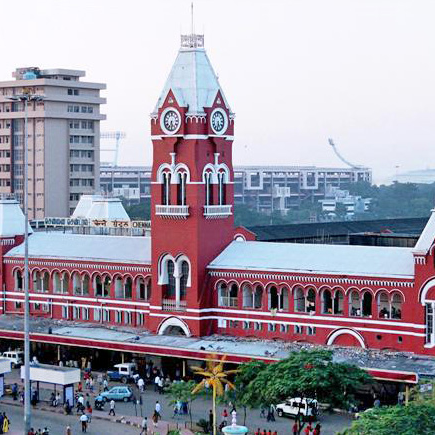
Chennai, on the Bay of Bengal in eastern India, is the capital of the state of Tamil Nadu. The city is home to Fort St. George, built in 1644 and now a museum showcasing the city’s roots as a British military garrison and East India Company trading outpost, when it was called Madras.
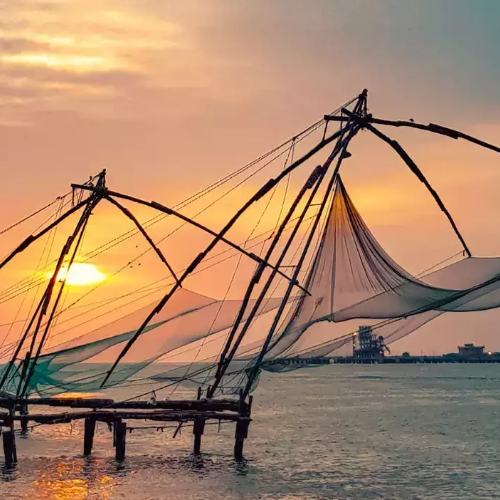
Kochi (also known as Cochin) is a city in southwest India's coastal Kerala state. It has been a port since 1341, when a flood carved out its harbor and opened it to Arab, Chinese and European merchants. Sites reflecting those influences include Fort Kochi, a settlement with tiled colonial bungalows and diverse houses of worship.
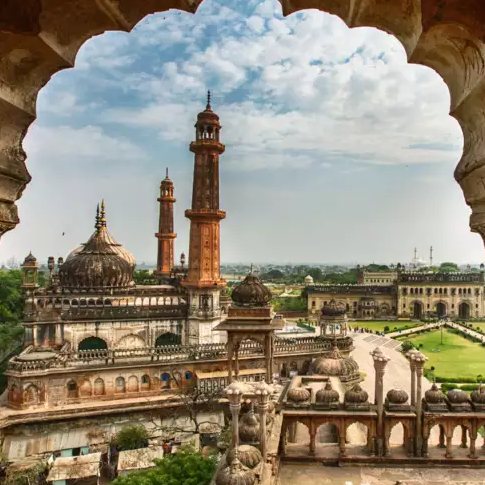
Lucknow, a large city in northern India, is the capital of the state of Uttar Pradesh. Toward its center is Rumi Darwaza, a Mughal gateway. Nearby, the 18th-century Bara Imambara shrine has a huge arched hall. Upstairs, Bhool Bhulaiya is a maze of narrow tunnels with city views from its upper balconies.
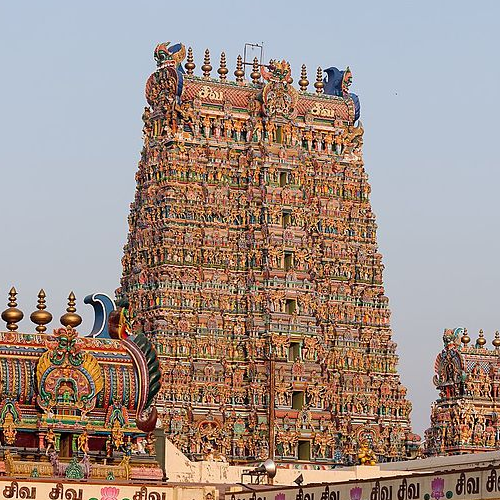
Madurai is an energetic, ancient city on the Vaigai River in the South Indian state of Tamil Nadu. Its skyline is dominated by the 14 colorful gopurams (gateway towers) of Meenakshi Amman Temple. Covered in bright carvings of Hindu gods, the Dravidian-style temple is a major pilgrimage site.
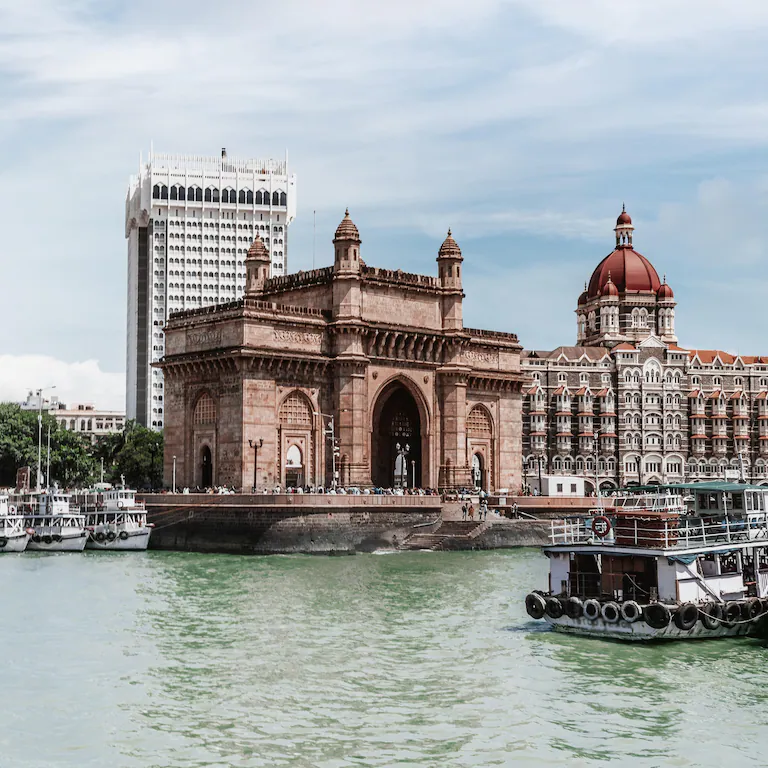
Mumbai (formerly called Bombay) is a densely populated city on India’s west coast. A financial center, it's India's largest city. On the Mumbai Harbour waterfront stands the iconic Gateway of India stone arch, built by the British Raj in 1924.
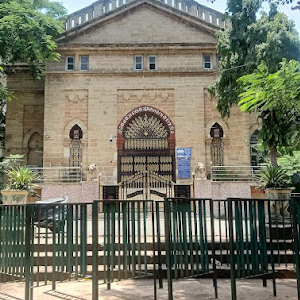
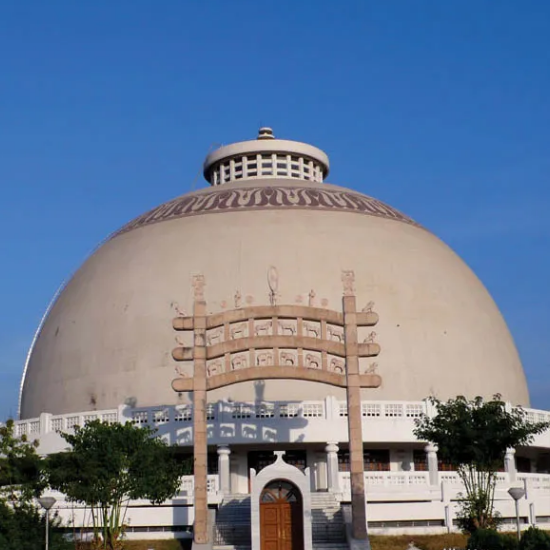
Nagpur is a large city in the central Indian state of Maharashtra. The 19th-century Nagpur Central Museum displays items found locally, including fossils, sarcophagi and Mughal weaponry. The Raman Science Centre has hands-on exhibits and a planetarium.
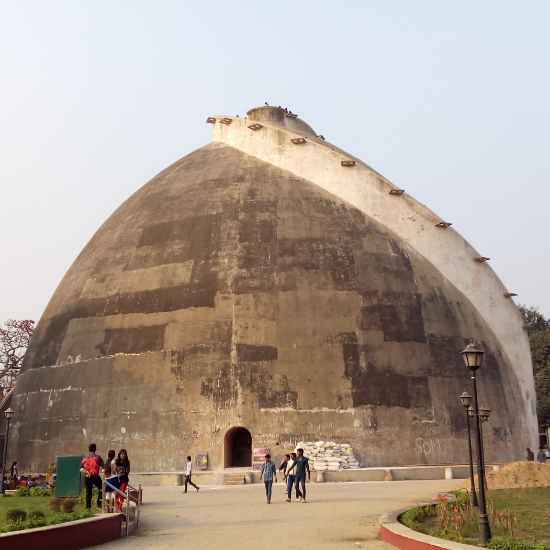
Patna is an ancient city that sprawls along the south bank of the Ganges River in Bihar, northeast India. The state capital, it’s home to Bihar Museum, a contemporary landmark exhibiting bronze sculptures and old coins from the region.
Port Blair on South Andaman Island is the capital city of the Andaman and Nicobar Islands, an Indian territory in the Bay of Bengal. Its seafront Cellular Jail, completed in 1906, hints at its past as a British penal colony and is now a memorial to Indian independence activists.
Pune is a sprawling city in the western Indian state of Maharashtra. It was once the base of the Peshwas (prime ministers) of the Maratha Empire, which lasted from 1674 to 1818. It's known for the grand Aga Khan Palace, built in 1892 and now a memorial to Mahatma Gandhi, whose ashes are preserved in the garden.
Imphal is the capital of Manipur, a state in northeastern India. On the Imphal River, Kangla Fort was once the seat of local rulers, and now houses relics. On the south side of the centuries-old Polo Ground, Manipur State Museum has displays including tribal artifacts and a large royal boat.